The best discounts this week
Every week you can find the best discounts here.
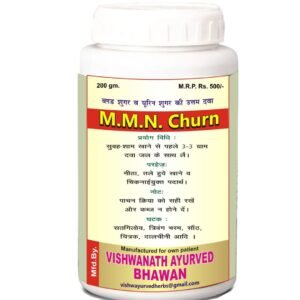
M.M.N. Churn
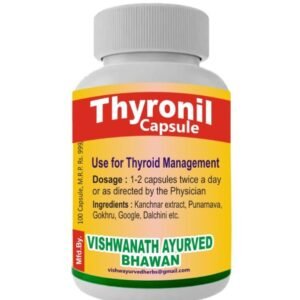
Thyronil Capsule
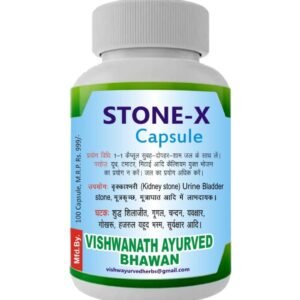
STONE-X Capsule
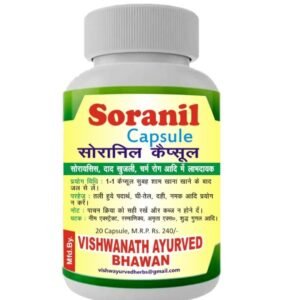
Soranil Capsule
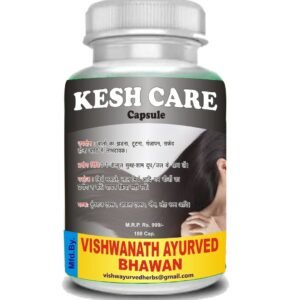
Kesh Care Capsule
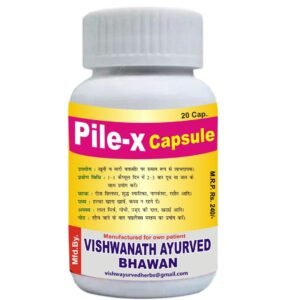
Pile-X Capsule
How to Boost Immunity Naturally: Ayurvedic Tips
How to Boost Immunity Naturally: Ayurvedic Diet, Herbs and Healthy Lifestyle Tips
Introduction
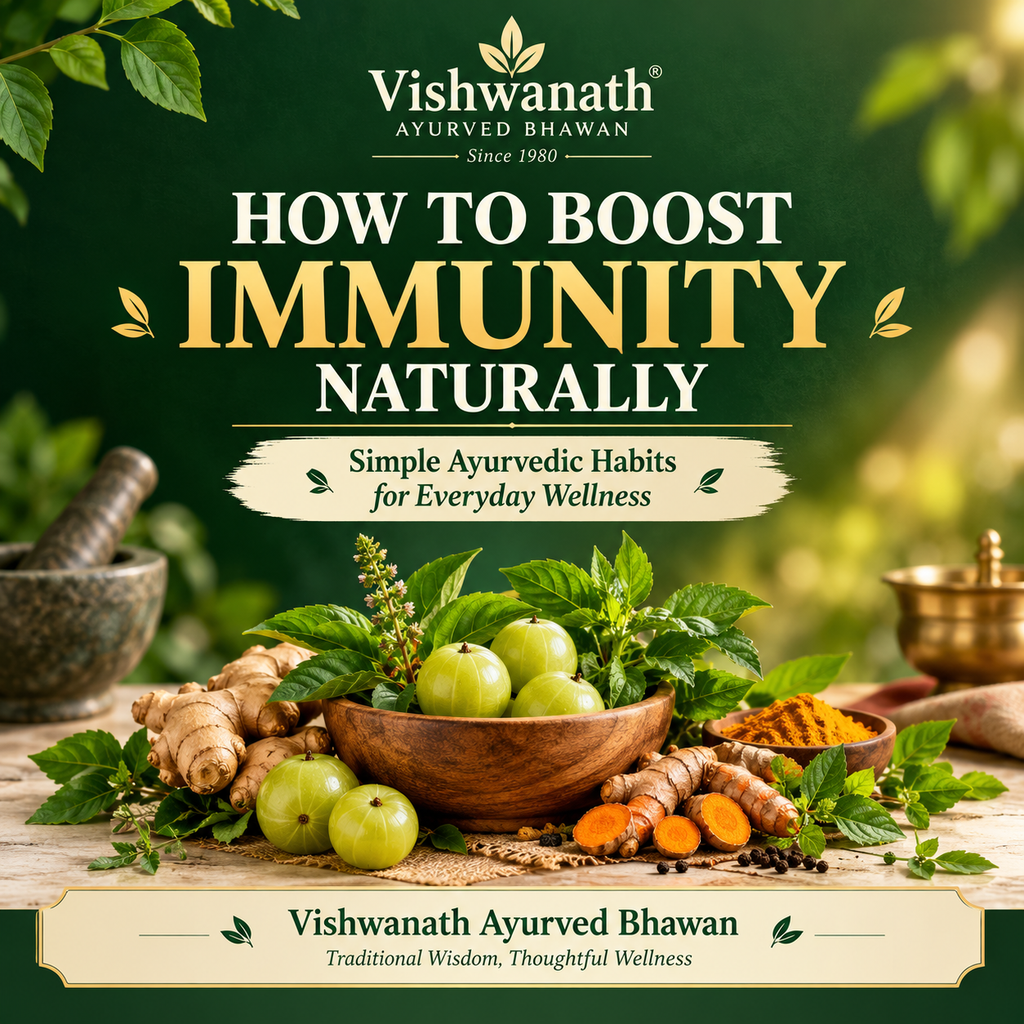
A healthy immune system plays an important role in protecting the body against infections and supporting overall well-being. Everyday habits such as eating a balanced diet, getting enough sleep, staying physically active, and managing stress can help maintain normal immune function.
Ayurveda, India’s traditional system of wellness, emphasizes a holistic approach to health that combines nutritious food, daily routines, physical activity, adequate rest, and mindful living. These principles can complement modern health practices and help you build healthier habits.
If you are wondering how to boost immunity naturally, this guide explores Ayurvedic dietary principles, commonly used herbs, and practical lifestyle tips that can support your overall health.
1. Follow a Balanced and Nutritious Diet
Food provides the nutrients your body needs to maintain normal immune function. Ayurveda emphasizes mindful eating, fresh ingredients, and meals that suit your individual needs and digestion.
Consider including the following foods in your daily diet:
- Fresh fruits: Oranges, guavas, amla, papaya, and other fruits provide vitamins, minerals, and beneficial plant compounds.
- Green vegetables: Spinach, broccoli, carrots, and other vegetables contribute essential nutrients and dietary fibre.
- Whole grains: Oats, whole-wheat products, millets, and other whole grains provide energy and fibre.
- Protein-rich foods: Lentils, beans, chickpeas, eggs, dairy products, tofu, fish, or lean meat can help meet your protein requirements.
- Nuts and seeds: Almonds, walnuts, pumpkin seeds, and other nuts and seeds provide healthy fats and important micronutrients.
Eating a varied, balanced diet is more beneficial than relying on a single food or ingredient to strengthen immunity.
2. Explore Traditional Ayurvedic Herbs
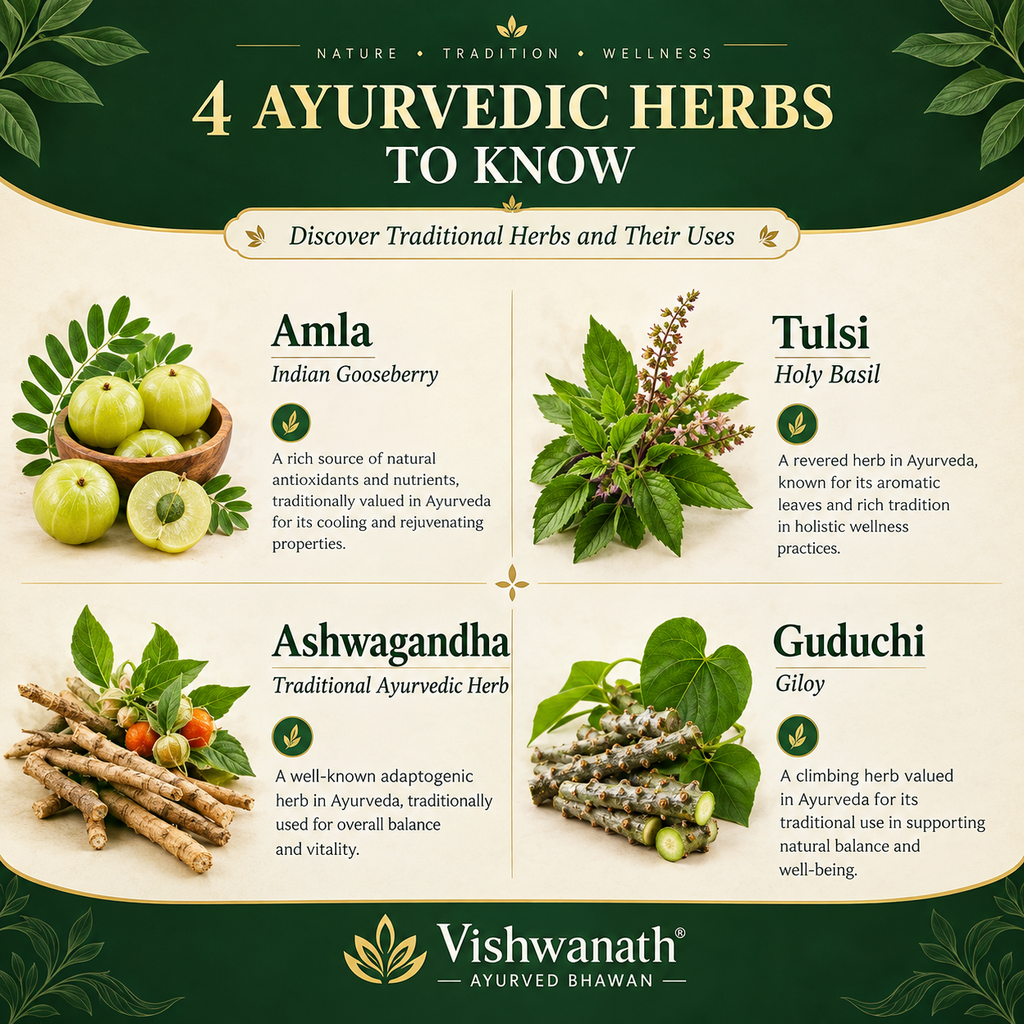
Ayurveda has a long history of using herbs as part of traditional wellness practices. Some herbs are commonly discussed in relation to general health, vitality, and stress management.
Amla (Indian Gooseberry)
Amla is a traditional Ayurvedic ingredient and a source of vitamin C. Vitamin C contributes to normal immune function and helps protect cells from oxidative damage. Amla can be included in a balanced diet in suitable food forms.
Tulsi (Holy Basil)
Tulsi is widely used in traditional Indian home remedies and herbal preparations. It is commonly consumed as an herbal infusion. However, evidence that tulsi prevents infections or significantly improves immune function in humans remains limited.
Ashwagandha
Ashwagandha is a traditional Ayurvedic herb studied primarily for its potential effects on stress and sleep. Research is still developing, and it should not be considered a proven treatment for infections or immune disorders.
Guduchi
Guduchi, also known as Giloy, is used in traditional Ayurvedic formulations. Its potential health benefits require further scientific study. Some products containing Guduchi have been associated with liver injury, so it should not be taken casually or without appropriate professional guidance.
Important: Herbal products can cause side effects and interact with medicines. Consult a qualified healthcare professional before using herbal supplements, particularly if you are pregnant, breastfeeding, have an existing medical condition, or take prescription medication.
3. Use Everyday Spices in Your Meals
Common kitchen spices are an important part of Indian cooking and Ayurvedic food traditions.
- Turmeric: Contains curcumin, a compound studied for its biological properties.
- Ginger: Commonly used in meals and herbal drinks and traditionally valued for digestive comfort.
- Black pepper: Adds flavour and contains piperine, which can affect the absorption of certain substances and medicines.
- Garlic: Provides flavour and contains naturally occurring sulphur compounds.
- Cinnamon: Commonly used to flavour foods and warm beverages.
These ingredients can make meals more varied and enjoyable. However, culinary spices should not be viewed as substitutes for vaccination, medical treatment, or a balanced diet.
4. Maintain a Consistent Daily Routine

Ayurveda emphasizes daily routines, traditionally known as Dinacharya, as a way to encourage balance and well-being.
You can adopt simple habits such as:
- Wake up and go to bed at consistent times.
- Eat meals at regular intervals that suit your schedule.
- Maintain personal hygiene and oral care.
- Spend time outdoors when practical.
- Take breaks during long periods of sitting or working.
- Make time for relaxation and enjoyable activities.
Consistency matters more than following a complicated routine. Choose habits that fit comfortably into your everyday life.
5. Prioritise Quality Sleep
Sleep supports many essential processes in the body, including normal immune function. Regularly getting insufficient sleep can affect health and make it harder to maintain energy and concentration.
Most adults should aim for at least seven hours of sleep each night, although individual needs vary.
To improve your sleep routine:
- Maintain a regular bedtime and wake-up time.
- Reduce caffeine intake later in the day.
- Limit stimulating activities before bedtime.
- Keep your bedroom quiet, comfortable, and dark.
- Avoid heavy meals immediately before sleeping.
- Develop a relaxing evening routine, such as reading or gentle breathing exercises.
If sleep problems persist or regularly affect your daily activities, consult a healthcare professional.
6. Stay Physically Active
Regular physical activity supports cardiovascular health, metabolic health, mood, and overall well-being. It can also contribute to maintaining normal immune function.
Suitable activities include walking, cycling, swimming, dancing, and other forms of exercise that match your fitness level.
Yoga is another option for people who enjoy a mind-body practice. Gentle poses, stretching, and controlled breathing may help with flexibility and stress management.
Start gradually if you are new to exercise. Adults can generally work toward at least 150 minutes of moderate-intensity aerobic activity each week, alongside muscle-strengthening activities on two or more days, according to their abilities and health needs.
7. Manage Stress Through Relaxation
Long-term stress can affect sleep, daily habits, and overall health. Making time for relaxation can support emotional well-being and help you maintain a healthier routine.
Ayurveda and yoga traditions emphasise practices such as meditation, mindful breathing, and gentle movement.
Try these simple approaches:
- Spend five to ten minutes practising slow, comfortable breathing.
- Take a short walk in a peaceful outdoor setting.
- Practise meditation or gentle yoga.
- Make time for hobbies and social connections.
- Break large tasks into smaller, manageable steps.
These practices can help with stress management, although they are not a replacement for professional support when stress or anxiety becomes difficult to manage.
8. Stay Hydrated Throughout the Day
Water helps regulate body temperature, transport nutrients, and support normal bodily functions. Your fluid requirements depend on factors such as activity, weather, diet, and health.
To maintain hydration:
- Drink water regularly throughout the day.
- Include water-rich foods such as cucumbers, oranges, and melons.
- Carry a reusable water bottle when convenient.
- Drink more fluids when appropriate during hot weather or physical activity.
Warm water and unsweetened herbal drinks can be enjoyable options. There is no need to rely on special detox drinks to maintain normal body function.
People with medical conditions requiring fluid restrictions should follow their healthcare professional’s advice.
9. Spend Time Outdoors and Enjoy Natural Light
Spending time outdoors can provide opportunities for physical activity, relaxation, and exposure to natural daylight. These habits may support mood and a regular sleep-wake cycle.
Consider taking a short morning walk, gardening, or spending time in a nearby park.
Sunlight also contributes to vitamin D production, but the amount produced varies according to skin type, location, season, clothing, and other factors. Avoid excessive sun exposure and use suitable sun protection. If you are concerned about vitamin D deficiency, speak with a healthcare professional.
10. Support Immunity Through Preventive Healthcare
Healthy lifestyle habits are important, but immunity also depends on age, genetics, medical conditions, medications, and other factors.
In addition to eating well and staying active:
- Keep recommended vaccinations up to date.
- Wash your hands regularly.
- Follow food safety practices.
- Avoid smoking and limit alcohol consumption.
- Seek medical advice when symptoms are persistent, severe, or unusual.
- Discuss recurring infections or concerns about immune health with a healthcare professional.
No food, herb, or supplement can guarantee protection against infections.
11. How to Incorporate Ayurvedic Principles Into Modern Life

You do not need to make dramatic changes to benefit from a healthier routine. Start with a few manageable habits and build on them gradually.
For example, you could begin your day with water and a nutritious breakfast, include vegetables and protein in your meals, take a daily walk, practise a short relaxation exercise, and maintain a regular sleep schedule.
Ayurvedic principles can be part of this routine when used thoughtfully. Choose products from reputable sources, check their ingredients, and seek professional guidance before taking medicinal herbal preparations.
The goal is to support your overall well-being rather than search for a quick fix.
Frequently Asked Questions
1. How can I boost my immunity naturally?
Eat a balanced diet, sleep sufficiently, exercise regularly, manage stress, maintain good hygiene, and follow recommended vaccinations. These habits help support normal immune function.
2. Which Ayurvedic herbs are traditionally used for immunity?
Amla, tulsi, ashwagandha, and guduchi are among the herbs commonly discussed in Ayurvedic wellness traditions. Their evidence, safety, and appropriate uses differ, so professional advice is important before taking supplements.
3. Does drinking turmeric milk improve immunity?
Turmeric milk can be part of a balanced diet and may be a comforting beverage. However, there is insufficient evidence that drinking it prevents infections or independently strengthens the immune system.
4. How many hours of sleep are important for immunity?
Most adults need at least seven hours of sleep per night. Children and teenagers generally require more, depending on their age.
5. Can stress affect immune health?
Long-term stress can affect sleep, behaviour, and several aspects of health. Relaxation, exercise, adequate rest, and professional support when needed can help manage stress.
6. Can Ayurvedic remedies replace medical treatment?
No. Ayurvedic practices may complement healthy lifestyle habits, but they should not replace prescribed medicines, recommended vaccinations, or appropriate medical care.
Conclusion: Build Healthy Habits for Long-Term Well-Being
Learning how to boost immunity naturally begins with consistent, practical habits. A balanced diet, adequate sleep, regular exercise, hydration, stress management, and preventive healthcare all contribute to maintaining normal immune function.
Ayurveda offers a traditional perspective on daily routines, mindful eating, and the use of herbs. By combining these principles with reliable health information and appropriate medical guidance, you can make informed choices that support your overall well-being.
At Vishwanath Ayurved Bhawan, we recognise the importance of traditional wellness practices as part of a thoughtful approach to health. Choose safe, evidence-informed habits and consult qualified healthcare professionals when you need individual advice.
Disclaimer: This article is intended for general educational purposes only. It does not provide a diagnosis or medical treatment advice. The safety and suitability of herbs and supplements vary by individual. Consult a qualified healthcare professional before starting a new supplement or changing any prescribed treatment.