The best discounts this week
Every week you can find the best discounts here.
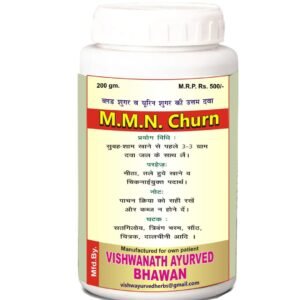
M.M.N. Churn
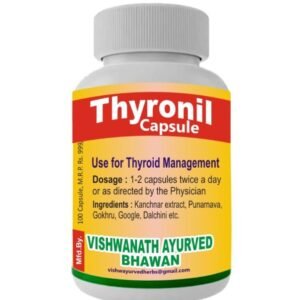
Thyronil Capsule
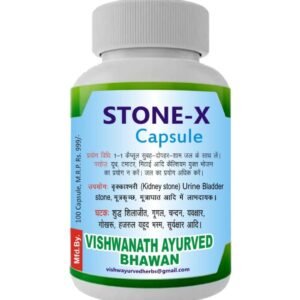
STONE-X Capsule
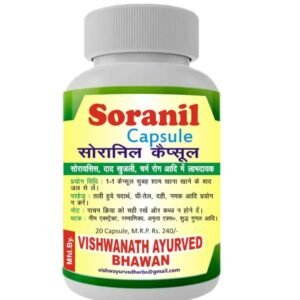
Soranil Capsule

Kesh Care Capsule
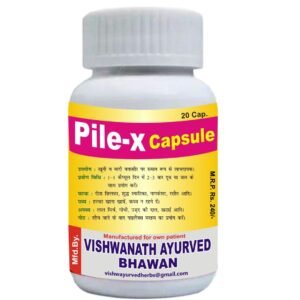
Pile-X Capsule
Everyday Habits You Didn’t Know Are Harming Your Health – Stop Them Today!!
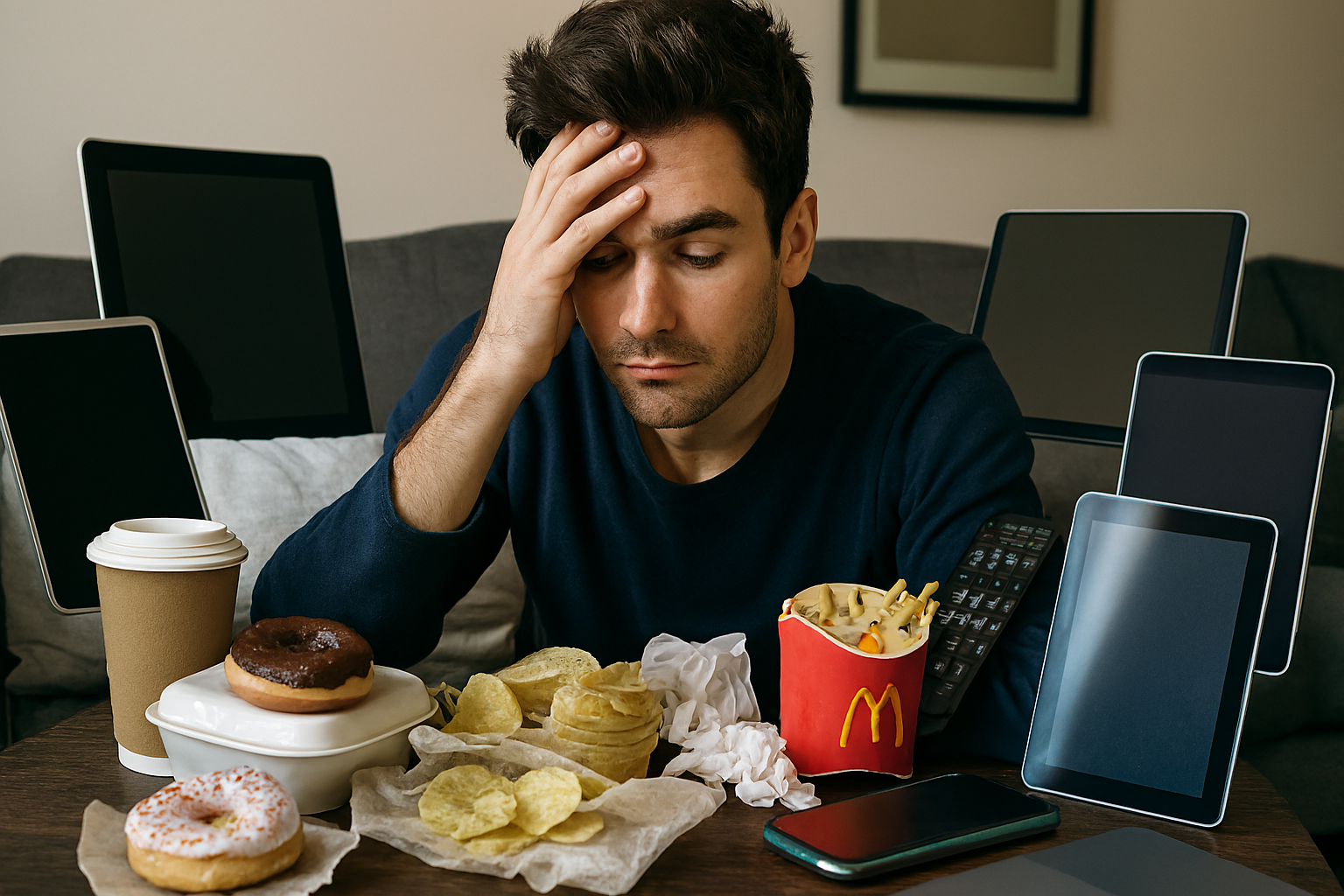
Daily Habits
We each long for healthy, happy and fulfilling lives. But each and every day, most us are unknowingly practicing small habits that are damaging our health little by little. While these may seem like small things, they can take a toll on your physical health, mental capacity, energy levels and even boost our risk of chronic illnesses.
The good news is, once you’ve identified these daily habits, you can start making small changes to break free from them and adopt healthier new ones in their place.
And in this blog post, we’ll reveal the top daily habits which are destroying your health that you probably don’t know about and some really practical tips to stop damage right now today.
1 . Missing or eating an unhealthy breakfast
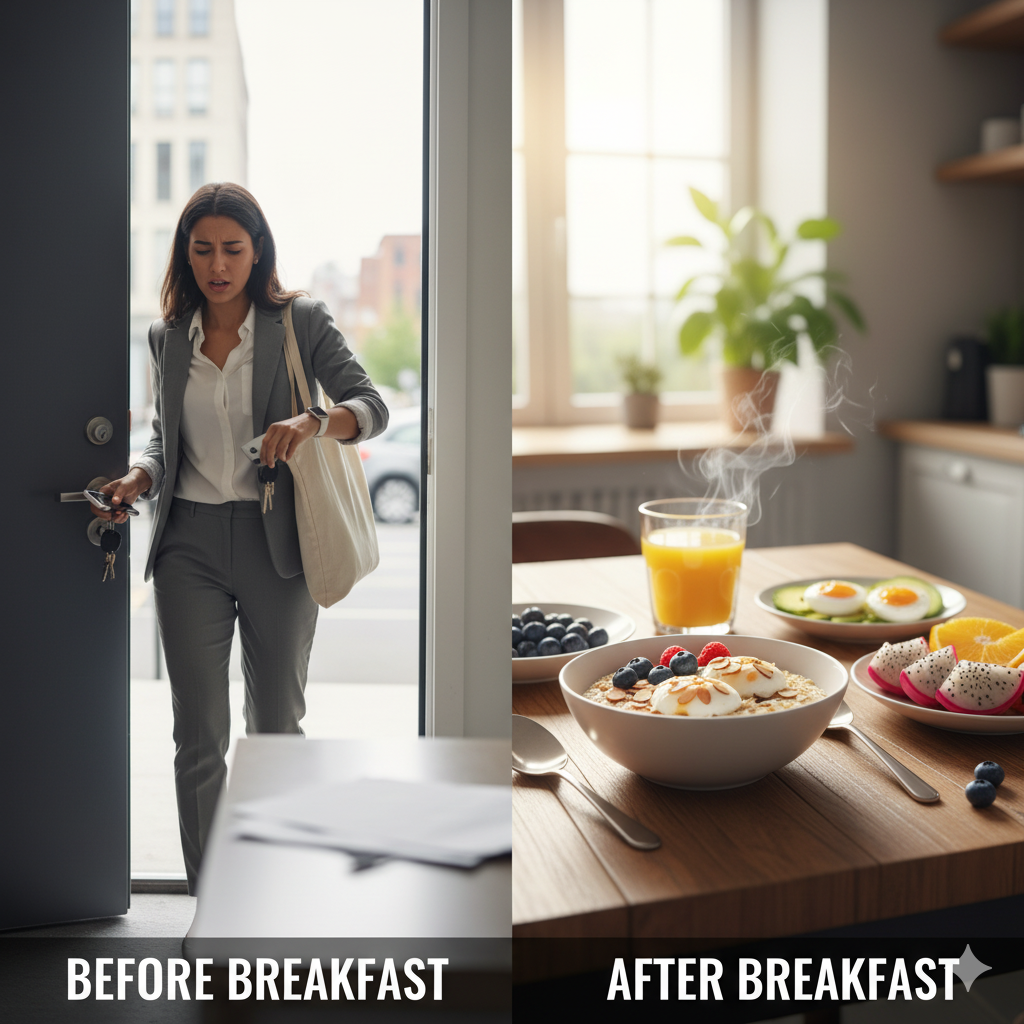
I’ve heard it my entire life: Breakfast is the most important meal of the day. Skipping breakfast lowers your blood sugar level, leading to long-term fatigue, irritability, and overeating later in the day. In contrast, if you eat a breakfast that is sugary or processed (think pastries or sugar-laden cereals), your blood sugar may spike and cause you to crash soon after.
The Dangers Associated-If You Skip Or Eat Bad Breakfast:
Slower metabolism
Reduced concentration and memory
Increased cravings for junk food
Increased risk for obesity and type 2 diabetes
- Healthier Habit:
Begin with a balanced breakfast that contains some protein, fiber and healthy fats — like oats with nuts, eggs with whole-grain toast or a smoothie made from spinach and fruit.
2 . Sitting for Long Hours
At a desk, in front of the TV, during long commutes sitting for hours on end is so bad it’s been dubbed “the new smoking.” Sitting for long stretches is associated with obesity, back pain, poor posture and cardiovascular disease.
Health Risks of Prolonged Sitting:
Increased risk of heart disease
Weak muscles and stiff joints
Poor blood circulation
Weight gain and obesity
- Healthier Habit:
“Five minutes every hour, to stretch and take a walk or do some light exercises.” If possible, work at a standing desk and make sure to get in at least 30 minutes of moderate physical activity each day.
3 . Spending Too Much Time on a Screen Before Bed
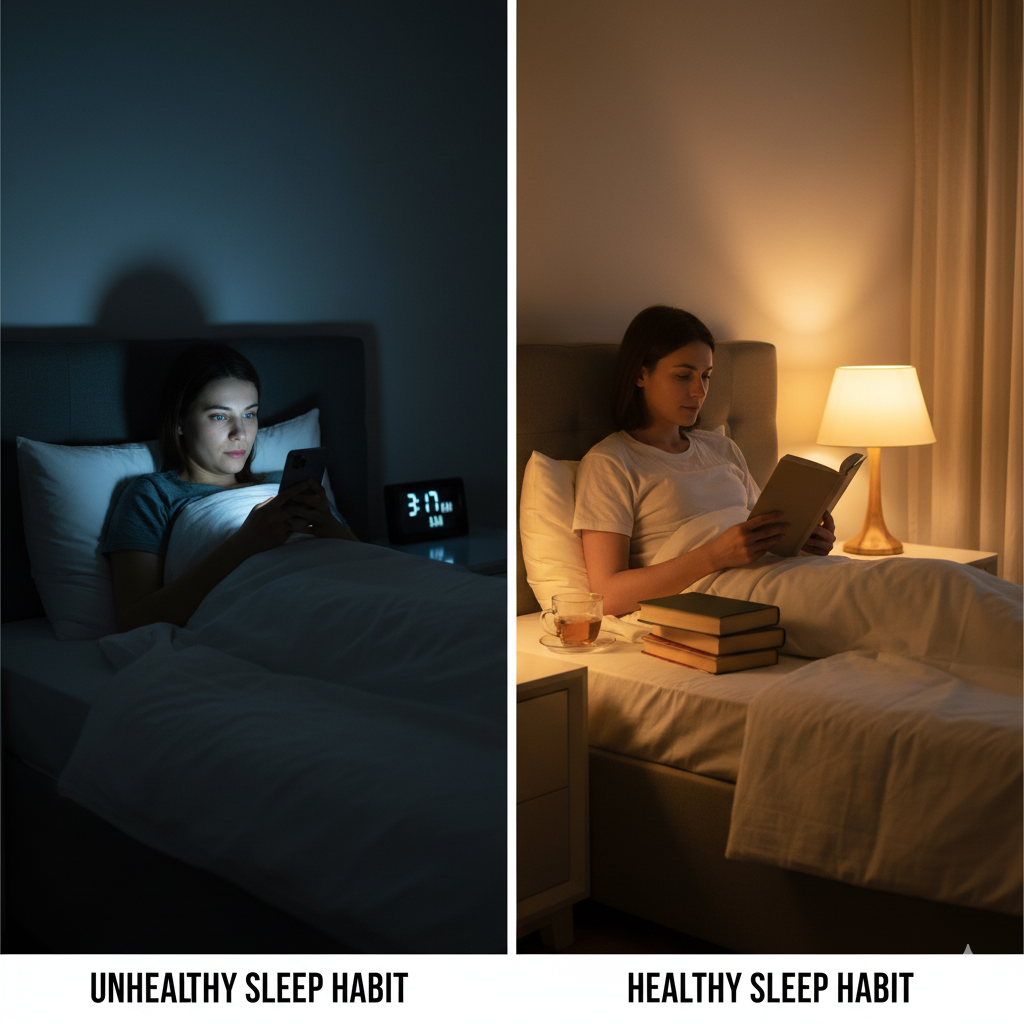
Whether it’s playing on your phone, a Netflix binge or staying up late working at the computer, they all wreak havoc with your sleep cycle. In addition to that, “blue” light emitted from screens actually suppresses melatonin — the sleep hormone that makes it more difficult to fall asleep.
Late-Night Screen Use and Its Health Risks:
Poor sleep quality and insomnia
Eye strain and headaches
Mental fatigue and irritability
Cumulative risk of anxiety and depression
- Healthier Habit:
Power down screens at least an hour before sleep. Instead pick up a book (not an electronic one), meditate or do some gentle stretching to physically relax your body and prepare it for slumber.
4 . Not Drinking Enough Water

Lots of people will confuse thirst with hunger, and then they’ll eat too much. Dehydration can also produce headaches, fatigue, bad digestion and dry skin. The need for sustenance is of paramount importance and water forms 60% of our body structure, so it is very important that all our organs get enough of it to function well.
Health Risks of Dehydration:
Issues related to kidney and urinary tract-INFRINGEMENT UPON INTELLECTUAL PROPERTY RIGHTSITUATION: ACTING TO AVOID PREJUDICEMEASURES.
Constipation and poor digestion
Dry skin and premature aging
Low energy and poor focus
- Healthier Habit:
“Aim to drink a minimum of 8 glasses of water daily.” Bring a reusable water bottle, set alarms to remind you to drink and incorporate hydrating foods like cucumbers, oranges and watermelon into your meals.
5 . Overusing Painkillers or Self-Medication
When you pop painkillers on a regular basis — for small aches or headaches, for instance — immediate relief might follow, but overconsumption can also ravage your liver, kidneys and stomach lining. Self-medicating with antibiotics or sleeping pills can be even more dangerous when no medical advice is obtained.
Health Risks of Overusing Medication:
Liver and kidney damage
Drug dependency and resistance
Stomach ulcers and acidity
Masking of serious underlying conditions
- Healthier Habit:
See a physician for persistent problems, rather than depressing your health with over-the-counter medications. You can try some natural solutions for mild issues — for headaches, say, or stress relief.
6. Ignoring Mental Health

In our contemporary, rushed culture of life stress and life anxiety to burnout just seems part of everyday living. Enough people have been stressed out to realize that health is defined more broadly than just physical health; some people also assume the opposite: That it’s important to be kind and care about mental health — and for goodness sake don’t declare you don’t give a flip. Yet prolonged neglect can result in depression, chronic stress and even physical illness like hypertension.
Health Risks of Not Taking Care of Your Mental Health:
Weakened immune system
Digestive problems
Sleep disorders
Reduced productivity and creativity
- Healthier Habit:
“And, it helps to have some stress management: (e.g., mindfulness practice, journaling or meditation). When it feels overwhelming, talk to a therapist or someone you trust. Give precedence to hobbies, walks in nature and relaxation.
7 . Poor Posture
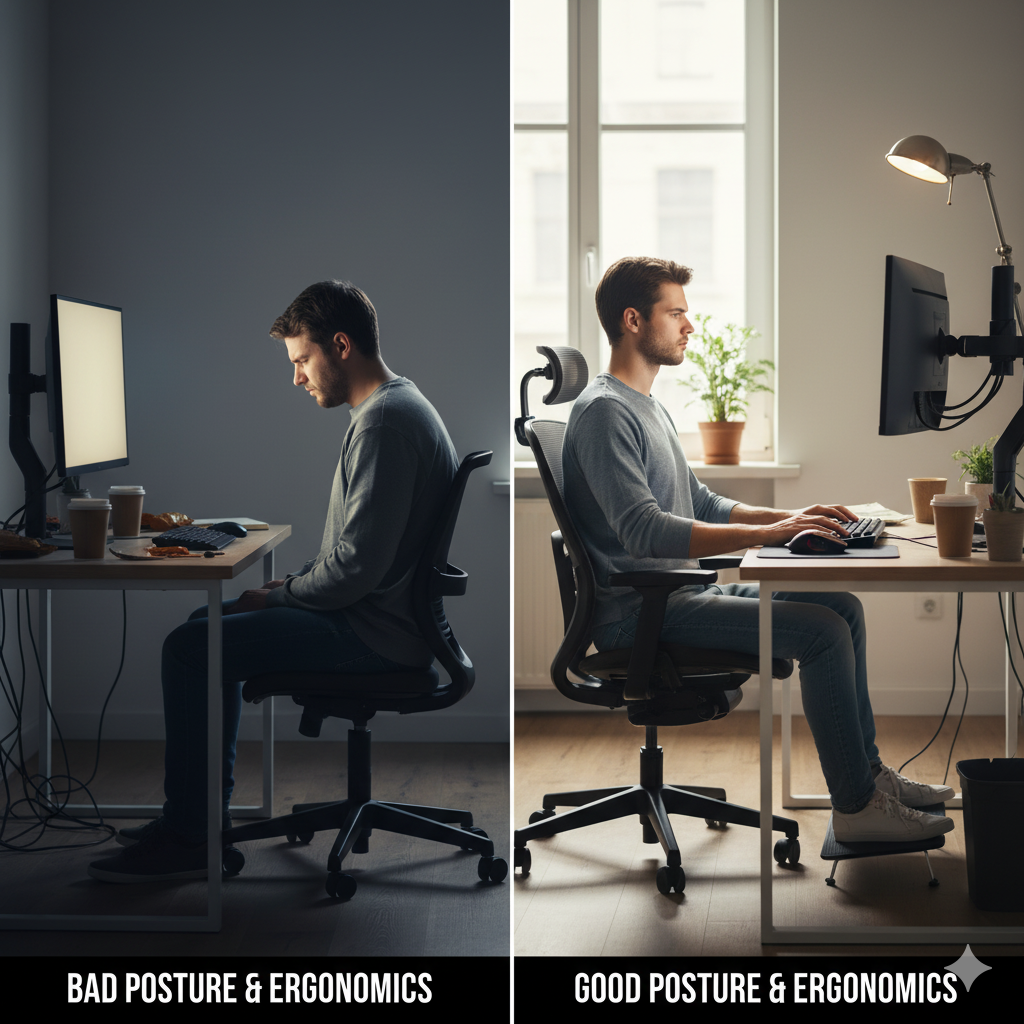
All that slouching at your desk, hunching over your phone and improperly lifting heavy bags can lead to chronic back pain, neck soreness and long-term spinal issues.
Health Risks of Bad Posture:
Back and neck pain
Reduced lung capacity
Headaches and poor digestion
Early onset of arthritis
- Healthier Habit:
Sit with a straight back and relaxed shoulders. Maintain an eye-level screen, avoid slumping and work on exercises to strengthen your core muscles.
8 . Excessive Sugar and Processed Foods
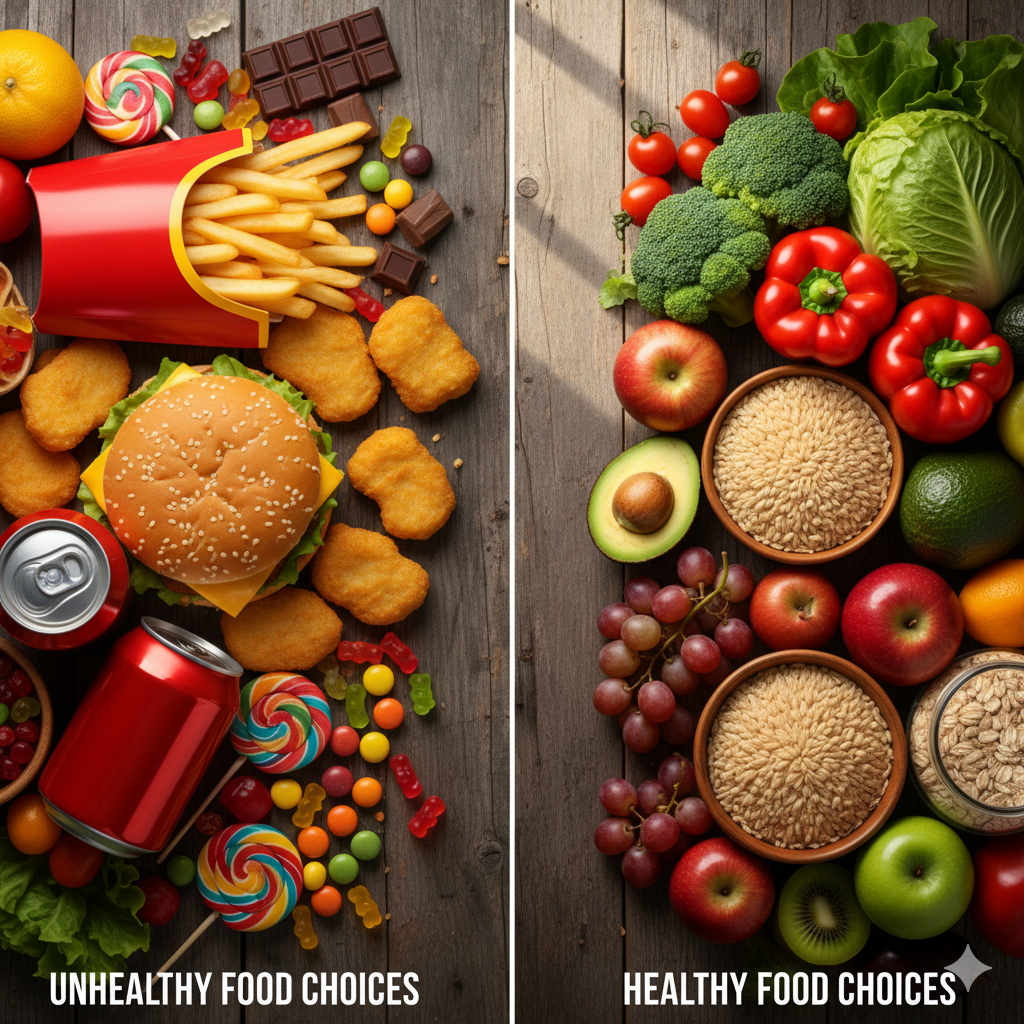
Sugar is concealed in just about all processed food: sauces, breads, juices and snacks. They are delicious, but eat too much sugar and you’ll get fat, rotten teeth and ill-health.
Health Risks of Excessive Sugar:
Increased risk of diabetes
Heart problems
Fatty liver
Skin aging and acne
- Healthier Habit:
Reduce processed food and replace with whole, natural balance. Trade in soda for infused water, candies for fruit and white bread for whole grains.
9 . Neglecting Regular Exercise
“Even if you are skipping workouts for the best reason — no time, no workout!” Exercise makes your muscles stronger, your heart healthier, your immune system more robust, and can help focus the mind.
Health Risks of No Exercise:
Obesity and weight gain
Weak immunity
High risk of chronic diseases
Poor mental health
- Healthier Habit:
You don’t have to spend hours in the gym. A 30-minute walk, yoga class or dance party at home is a major plus for your health.
10 . Poor Sleep Habits
Too much sleep, inconsistent sleep or insufficient sleep is detrimental to both your body and mind. High quality sleep is when your body repairs, detoxifies and regenerates itself.
Health Risks of Poor Sleep:
Weakened immunity
Weight gain and hormonal imbalance
Memory loss and brain fog
Increased risk of heart disease
- Healthier Habit:
Try to get 7–9 hours of good-quality sleep. Maintain a regular bedtime, don’t consume caffeine late in the day and make your sleep environment as dark and quiet as possible.
11. Multitasking During Meals
Eating in front of the TV (or while standing at a counter, screen or vending machine), typing or text-messaging and hovering over your sandwich is fast-paced, multitasking — but also the beginning of every episode of “I’m a Full Blown Nightmare.” Your brain is oblivious to fullness when your attention is otherwise engaged.
Health Risks of Distracted Eating:
Weight gain
Poor digestion
Lack of nutrient absorption
Mindless eating habits
- Healthier Habit:
Practice mindful eating. Sit at the table, chew slowly, and savor every bite without any distractions.
12 . Neglecting Sunlight Exposure
These days, given the digital beat in which many experience most of their day, for many “the great outdoors” is less about finding exotic animal prints and more about logs that you can plug into on trails, amen. Without sunlight, Vitamin D levels drop, which affects bone health, immunity and mood.
Health Risks of Low Sunlight:
Vitamin D deficiency
Weak bones and joints
Seasonal depression
Low energy levels
- Healthier Habit:
I would recommend you to step outside 15 – 20minutes per day at least. The best source of vitamin D is morning sunlight so naturally, it improves your mood.
Final Thoughts

Your health is determined not just by big lifestyle decisions but also by small daily habits. Missed meals, extended sitting, poor sleep and screens and processed foods might seem inconsequential in the short term — but they add up to serious health risks over time.
The great news is, these dangerous daily routines can in fact be smashed and turned with simple alternatives to healthier attitudes. Little shifts you make—one drop at a time into the bucket of your life—such as water, exercise, food, or mental health treatments only add to filling you up and creating more wellness in your life.